

ISKP breached the Red line Security targeting Chinese Intelligence Assets in Deadliest Strike of the Year
ISKP Sends a Message to Beijing: High‑Value Chinese Operatives Hit in Kabul Suicide Operation

Disclaimer: This report is a strategic analysis does not endorse, support, or legitimize any militant organization, narrative, or act of violence. All references to ISKP, its statements, or its media outputs are included solely for the purpose of threat assessment and situational awareness. The details presented here are intended for informational and analytical use only and should not be interpreted as validation of any claims made by extremist groups.Executive Summary
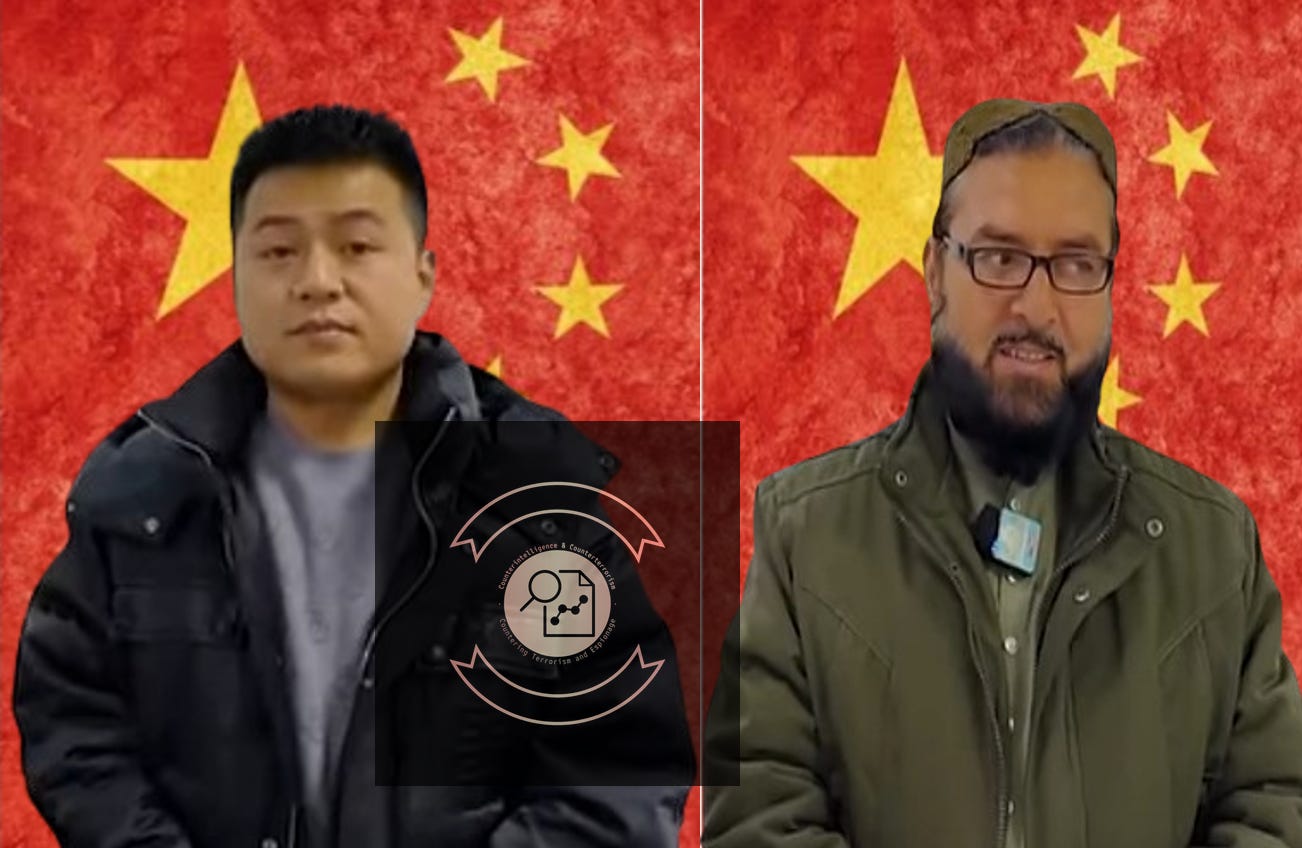
The 19 January ISKP suicide attack on the China Lanzhou Hotel in Kabul resulted in the deaths of Abdulmajid (Chinese Muslim contractor and WCCO founding member) and Abdulmajid’s Afghan colleague from WCCO. Those injured included Mu Zhenhua (“Ayub”), Nooruddin (Chinese Muslim chef), Zhiyuan (WCCO member), and 17 Afghan nationals, along with Taliban security personnel assigned to the site.
ISKP’s attacker infiltrated the hotel in the Shahr‑e‑Naw security zone, remained inside for approximately 30 minutes to maximize casualties, and detonated an explosive vest among Chinese nationals and Afghan staff. The hotel—frequented by Chinese investors, contractors, and personnel from Chinese‑linked NGOs—was deliberately selected to disrupt China’s growing presence in Afghanistan and undermine intelligence‑related activities tied to the Wakhan Corridor project.
ISKP publicly framed the operation as retaliation for China’s treatment of Uyghur Muslims, while the attack also aligns with the group’s broader strategy of targeting foreign influence to weaken Taliban governance. The incident occurs amid a complex regional environment in which multiple actors, including Pakistan’s intelligence services, are assessed to be acting against Chinese strategic initiatives. Concurrent militant movements toward the Afghanistan–Tajikistan border further indicate a widening threat to Chinese and Tajik infrastructure projects.
Propaganda video showcases ISKP’s narrative surrounding the 19 January attack on Chinese nationals in KabulThe attack demonstrates ISKP’s continued capability to penetrate high‑security urban zones and signals an elevated threat posture toward Chinese nationals, Chinese‑affiliated organizations, and strategic infrastructure across Afghanistan.