


Introduction
A classified intelligence review of current indicators suggests that Afghanistan may be approaching a new phase of organized, multi‑directional armed resistance against the Taliban. This assessment synthesizes human intelligence, regional reporting, and insider accounts from Taliban structures. It focuses on the evolving mobilization of non‑Taliban Afghan actors across Iran, Pakistan, and Tajikistan, as well as the Taliban’s internal threat perceptions. Violent extremist organizations such as the Taliban have a long record of human rights abuses and civilian harm; this assessment examines the security implications of the emerging environment without endorsing any armed actor.
Executive Summary
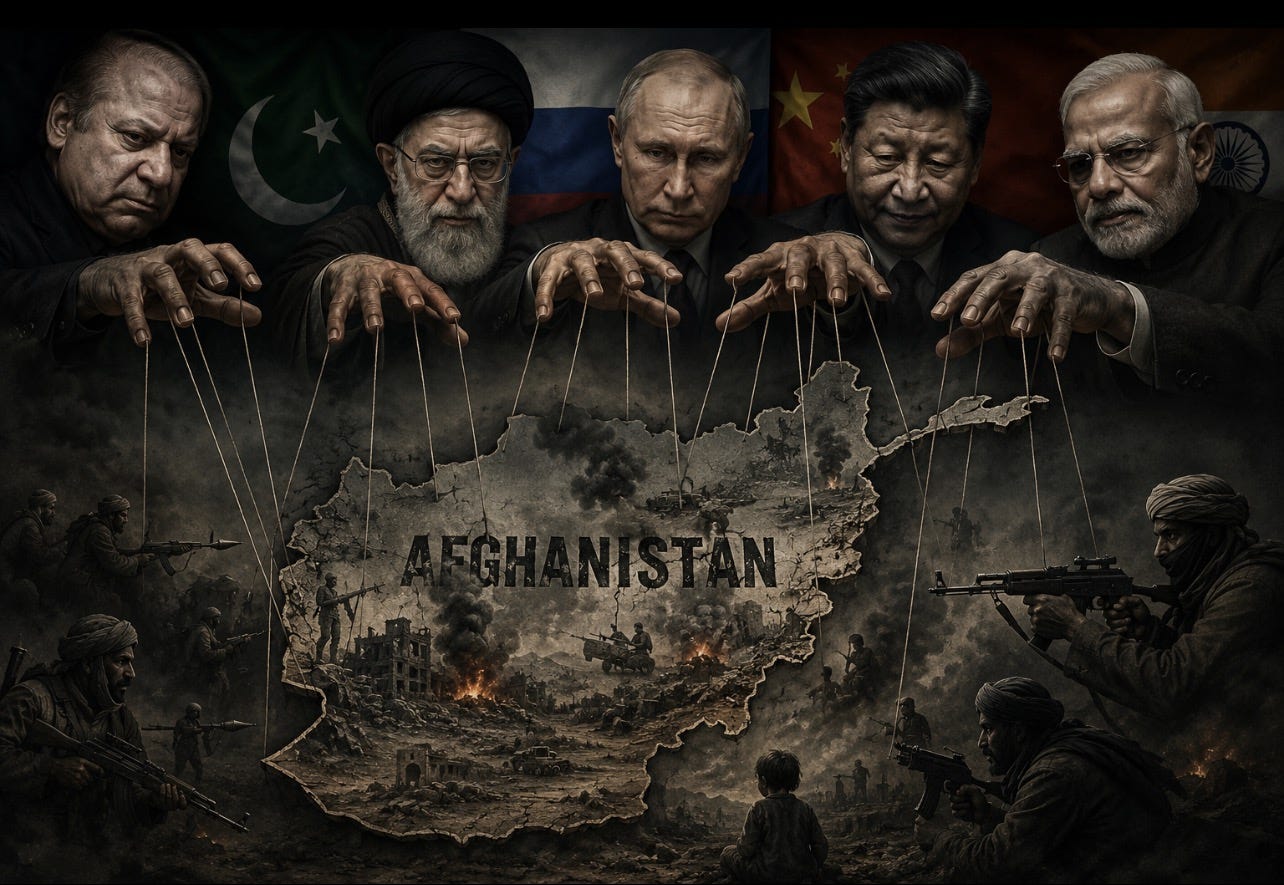
Afghanistan is approaching a dangerous inflection point as Iran, Pakistan, and Tajikistan each quietly empower select Afghan actors who enjoy privileged sanctuary, resources, or political cover. Iran is allowing former Fatemiyoun fighters and ex‑military personnel under Abdul Ghani Alipour to reorganize along its eastern frontier. Pakistan is tolerating the presence and mobilization of Hazara militia networks linked to Hakim Shujai in Balochistan and Chitral. Tajikistan is hosting thousands of former Afghan Special Forces and providing political space for northern powerbrokers such as Dostum and Atta Noor, while retaining custody of Afghan military aircraft the Taliban fears could be turned against them.
These three states are not formally coordinating, but their support for privileged Afghan commanders and ex‑elite units is creating the conditions for a potential multi‑front challenge to Taliban control, one more serious than anything seen since 2021.