


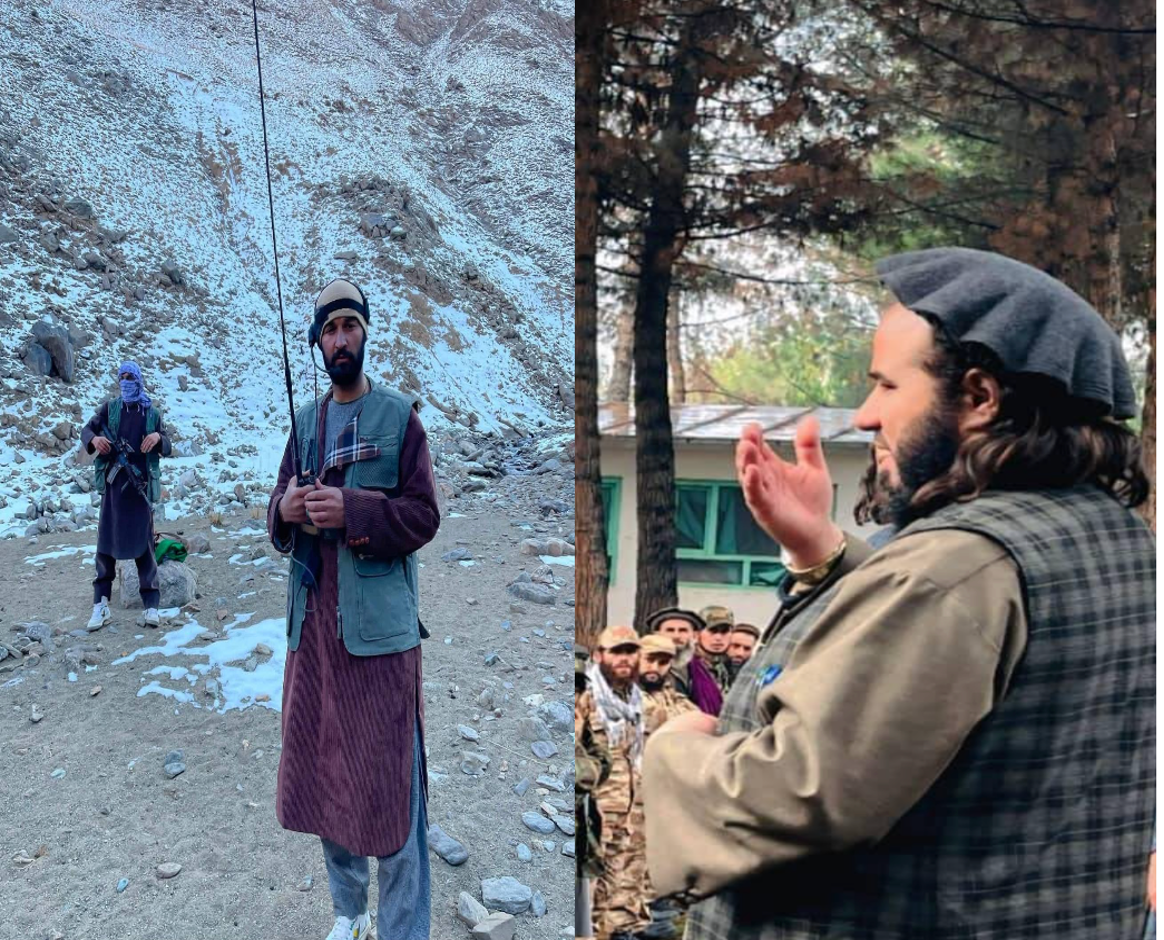
(Analytical note: The Taliban, designated as a terrorist organization by multiple governments, has a long record of human rights abuses, extrajudicial killings, and cooperation with transnational jihadist networks. This assessment focuses strictly on security implications and does not legitimize the group.)
Concise Takeaway
The arrest of Mullah Juma Khan Fateh and the killing of General Haseeb Qowa‑i‑Markaz form a linked counter‑resistance campaign by the Taliban’s General Directorate of Intelligence (GDI). Both men opposed the Taliban’s plan to transform Badakhshan and the northern corridor into a strategic hub for international jihadist networks and a resource‑extraction zone. Their removal signals a shift toward full-spectrum Taliban control over northern Afghanistan, eliminating internal dissent and neutralizing external resistance commanders capable of disrupting the Taliban’s regional jihadist expansion.
Strategic Context: Why Badakhshan Matters
Badakhshan is emerging as the Taliban’s northern gateway for two converging strategic projects:
International jihadist deployment: Taliban sources indicate plans to bring REDACTED+ foreign fighters into Panjshir–Badakhshan, creating a buffer against resistance groups and a launchpad for transnational jihadist operations.
Resource exploitation: Badakhshan’s gold reserves are being positioned as a revenue stream for Taliban intelligence and military structures.
Both projects require absolute territorial control, suppression of local commanders, and dismantling of NRF operational nodes.